

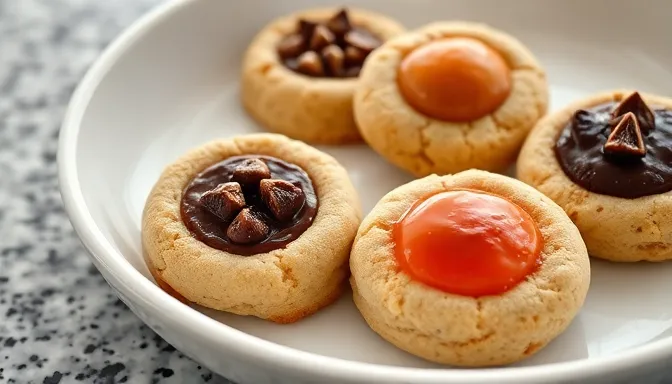
Remember that sinking feeling when you realize everyone else is indulging in delectable treats, and you’re stuck with lackluster, gluten-free options? It’s enough to make anyone ask, “Are there any truly delicious gluten-free desserts out there?” or “Can chestnut flour thumbprint cookies really rival traditional cookies?” The struggle is real, but what if I told you that a naturally gluten-free cookie exists that’s so good, it could convert even the staunchest gluten-lover?
This isn’t just another dry, crumbly disappointment masquerading as a cookie. Chestnut flour thumbprint cookies offer a unique, subtly sweet, and nutty flavor profile that’s both sophisticated and comforting. They’re surprisingly easy to make, and their delicate texture, studded with vibrant pockets of jam, will have you reaching for seconds (and maybe even thirds!).
Get ready to ditch the gluten-free blues and say hello to a world of flavor and indulgence! In this post, we’ll unlock the secrets to baking perfect chestnut flour thumbprint cookies every single time. From understanding the key ingredients to mastering expert baking tips, you’ll be well on your way to becoming the star baker of your next gathering (gluten-free or not!).
Why You’ll Love Chestnut Flour Thumbprint Cookies
- Naturally Gluten-Free Goodness: Perfect for a mindful treat that doesn’t compromise on flavor; a game-changer for those with dietary restrictions, allowing them to enjoy delicious cookies without worry.
- Unique and Delicious: Impress your friends and family with this unexpected twist on a classic; the chestnut flour adds a depth of flavor that sets these apart from ordinary thumbprints.
- Surprisingly Easy: Don’t let the fancy flour intimidate you! This recipe is remarkably simple, even for beginner bakers; you’ll be amazed at how effortlessly these elegant cookies come together.
- Endlessly Customizable: Get creative with different jams, extracts, and toppings to match any occasion; from festive holiday sprinkles to a simple dusting of powdered sugar, the possibilities are endless.
Who It’s Perfect For
- Gluten-sensitive snackers: Finally, a delicious cookie they can enjoy without worry! This recipe opens up a world of dessert possibilities for those avoiding gluten.
- Adventurous bakers: Looking to expand your baking repertoire? Chestnut flour thumbprint cookies are a unique and rewarding challenge.
- Holiday cookie exchange superstars: These cookies are guaranteed to be the talk of the cookie exchange; their unique flavor and beautiful presentation will steal the show.
- Anyone who appreciates a delicious and beautiful treat: Let’s be honest, who doesn’t love a good cookie? These are perfect for any occasion, from casual weeknight treats to elegant celebrations.
Key Ingredients and Substitutions
Ingredients
| Ingredient | Quantity | Notes |
|---|---|---|
| Chestnut Flour | 1 ½ cups | Use a fine grind for best texture |
| Butter | ½ cup | Unsalted, softened to room temperature |
| Granulated Sugar | ½ cup | Can substitute with coconut sugar |
| Egg Yolk | 1 large | Adds richness and helps bind the cookies |
| Vanilla Extract | 1 teaspoon | Use pure extract for the best flavor |
| Salt | ¼ teaspoon | Enhances the other flavors |
| Your Favorite Jam | ½ cup | Choose a flavor that complements chestnut |
Substitutions and Variations
Flexibility is key in baking! Here’s how you can adapt this recipe to your preferences:
- Butter Alternatives: For a vegan option, substitute with equal parts unrefined coconut oil. This will impart a subtle coconut flavor, which pairs surprisingly well with the chestnut. I once used avocado oil in a pinch, and while it worked, it lacked the richness of butter or coconut oil.
- Sugar Swap: Coconut sugar adds a subtle caramel note and a slightly chewier texture. It’s a fantastic option if you’re looking for a refined sugar alternative. I’ve even experimented with maple syrup, but you’ll need to adjust the liquid content accordingly.
- Jam Jamboree: Experiment with different flavors like fig, raspberry, or apricot. You can even use lemon curd for a tangy twist! I’m partial to a homemade blackberry jam; it’s a bit tart, which balances the sweetness of the cookie perfectly.
Preparation Tips for Ingredients
| Ingredient | Tip | Reason |
|---|---|---|
| Chestnut Flour | If you can’t find fine chestnut flour, pulse regular chestnut flour in a food processor a few times to achieve a finer texture. | A finer grind ensures a smoother, more delicate cookie texture. |
| Butter | Make sure your butter is genuinely at room temperature – it should yield easily to pressure. | Room temperature butter creams more easily with the sugar, creating a light and airy dough. |
Supplies
- Mixing bowls: You’ll need at least two – one for wet ingredients and one for dry.
- Electric mixer (optional, but helpful): Makes creaming the butter and sugar much easier, but a whisk and some elbow grease will work too!
- Measuring cups and spoons: Accuracy is important in baking, so make sure you have a good set.
- Baking sheet: A standard baking sheet will do.
- Parchment paper: Prevents the cookies from sticking and makes cleanup a breeze.
- Small spoon or cookie scoop: For consistent cookie sizes and easy portioning of the jam.
How to Make Chestnut Flour Thumbprint Cookies (Step-by-Step)
Step 1: Preparing the Chestnut Flour Cookie Dough
- In a mixing bowl, cream together the softened butter and sugar until light and fluffy. The mixture should be pale yellow and almost double in volume. This step incorporates air into the dough, resulting in a lighter, more tender cookie.
- Beat in the egg yolk and vanilla extract until well combined. The egg yolk adds richness and helps bind the cookies, while the vanilla enhances the overall flavor profile.
- In a separate bowl, whisk together the chestnut flour and salt. Whisking the dry ingredients ensures they are evenly distributed, preventing pockets of flour in the dough.
- Gradually add the dry ingredients to the wet ingredients, mixing on low speed until just combined. Avoid overmixing, as this can develop the gluten in the flour (even though we’re using gluten-free flour, overmixing can still result in a tough cookie). The dough should come together easily and be slightly crumbly.
Step 2: Shaping and Baking the Cookies
- Preheat your oven to 350°F (175°C) and line a baking sheet with parchment paper. Parchment paper is your best friend in baking; it prevents sticking and makes cleanup a breeze.
- Scoop out rounded tablespoons of cookie dough and roll into balls. Aim for uniformly sized balls to ensure even baking. If you have a cookie scoop, now’s the time to use it!
- Arrange the dough balls on the prepared baking sheet, leaving some space between them. Cookies spread as they bake, so give them room to breathe.
- Using your thumb or the back of a teaspoon, make a well in the center of each cookie. Don’t press too hard; you want a decent well for the jam, but you don’t want the cookie to crack.
- Fill each well with about a teaspoon of your favorite jam. I love a good raspberry jam here, but feel free to get creative! Apricot, fig, and even lemon curd are all delicious options.
Step 3: Achieving Golden Perfection
- Bake for 12-15 minutes, or until the edges of the cookies are golden brown and the jam is slightly bubbly. Oven temperatures can vary, so keep an eye on your cookies. You want them to be golden, not burnt.
- Let the cookies cool on the baking sheet for a few minutes before transferring them to a wire rack to cool completely. This allows the cookies to firm up before you move them. They’ll be delicate when warm, so patience is key.
Expert Tips for Success
- Chilling Out: For a less crumbly cookie, chill the dough for 30 minutes before shaping and baking. This helps the butter firm up, which prevents excessive spreading.
- Jam Control: Don’t overfill the thumbprints! A slightly overflowing teaspoon is perfect. Too much jam, and it’ll spill over and make a mess on your baking sheet.
- Visual Cues: Look for lightly golden edges as a sign that your cookies are perfectly baked. Don’t rely solely on the baking time; oven temperatures can vary, so use your eyes as your guide.
Variations and Customizations
- Nutty Delight: Add a handful of chopped walnuts or pecans to the dough for extra texture and flavor. Toasting the nuts beforehand adds another layer of complexity.
- Citrus Burst: A teaspoon of orange or lemon zest in the dough adds a bright, refreshing note. I love this variation, especially with apricot jam.
Recipe Card
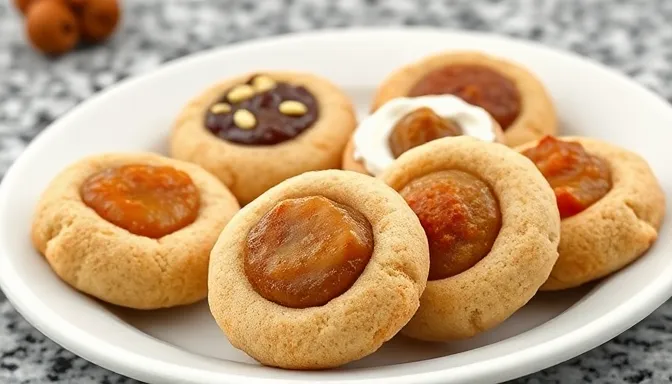
The best Chestnut Flour Thumbprint Cookies
Ingredients
Equipment
Method
- In a mixing bowl, cream together the softened butter and sugar until light and fluffy.
- Beat in the egg yolk and vanilla extract until well combined.
- In a separate bowl, whisk together the chestnut flour and salt.
- Gradually add the dry ingredients to the wet ingredients, mixing on low speed until just combined.
- Preheat your oven to 350°F (175°C) and line a baking sheet with parchment paper.
- Scoop out rounded tablespoons of cookie dough and roll into balls. Aim for uniformly sized balls to ensure even baking.
- Arrange the dough balls on the prepared baking sheet, leaving some space between them.
- Using your thumb or the back of a teaspoon, make a well in the center of each cookie.
- Fill each well with about a teaspoon of your favorite jam.
- Bake for 12-15 minutes, or until the edges of the cookies are golden brown and the jam is slightly bubbly.
- Let the cookies cool on the baking sheet for a few minutes before transferring them to a wire rack to cool completely.
Notes
FAQ
Here are some frequently asked questions about chestnut flour thumbprint cookies:
- What does chestnut flour taste like? Chestnut flour has a unique, subtly sweet, and slightly nutty flavor. It’s not overly strong, but it adds a wonderful depth and complexity to baked goods.
- Where can I buy chestnut flour? You can often find chestnut flour in specialty food stores, health food stores, or online retailers. Some larger grocery stores may also carry it in their baking aisle.
- Can I use all-purpose flour instead of chestnut flour? No, using all-purpose flour will completely change the texture and flavor of the cookies, and they will no longer be gluten-free. The unique properties of chestnut flour are essential for this recipe.
- Can I freeze these cookies? Yes, these cookies freeze beautifully. Once they are completely cool, store them in an airtight container in the freezer for up to 3 months.
- What other fillings can I use besides jam? Get creative! Lemon curd, chocolate ganache, or even a dollop of Nutella would be delicious.
Conclusion
So, there you have it – a gluten-free cookie that’s as impressive as it is delicious. Chestnut flour lends these thumbprint cookies a unique, earthy sweetness that pairs beautifully with any number of jams or fillings. Imagine biting into a crumbly, delicate cookie, the surprise of sweet jam hitting your palate… pure magic!
Ready to wow your friends and family with your baking prowess? Grab some chestnut flour and get baking! And don’t forget to subscribe to our newsletter for more inspiring recipes and baking adventures, delivered straight to your inbox. What jam will you choose for your first batch?