

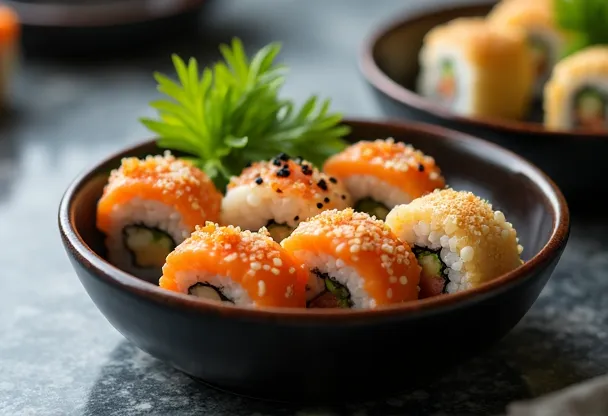
I still remember the first time I tried a California roll, completely perplexed by how such simple ingredients could create something so incredibly delicious. That’s the allure of Classic Sushi Rolls – they seem straightforward, yet many wonder: What is a standard sushi roll? What are the 5 main ingredients in sushi? What makes the perfect sushi?
The truth is, crafting these iconic bites at home can feel like an impossible feat – sticky rice battles, torn nori sheets, and fillings that refuse to stay put. It’s enough to make even the most ambitious home cook reach for the takeout menu.
But what if I told you that mastering classic sushi rolls is entirely achievable; even for a complete novice? In this comprehensive guide, we’ll break down every step, demystify the techniques, and equip you with the knowledge to create restaurant-quality sushi in your own kitchen. Get ready to impress your friends (and yourself!) with your newfound sushi prowess.
Table of Contents
Why You’ll Love This Classic Sushi Rolls
A Culinary Adventure at Home
Transform your kitchen into a sushi haven. Making sushi at home isn’t just about the food; it’s about the experience. It’s about the rhythmic rolling, the satisfying slice, and the anticipation of that first bite. Plus, it’s a fantastic way to unleash your inner chef!
Fresh, Healthy, and Customizable
Sushi is bursting with fresh ingredients, from the delicate fish to the crisp vegetables. It’s a healthy and flavorful meal option that you can tailor to your liking. Don’t like avocado? Swap it for mango! The possibilities are endless.
Perfect for Gatherings and Special Occasions
Sushi rolls are the ultimate crowd-pleaser. They add a touch of elegance to any gathering, from casual get-togethers to celebratory dinners. Imagine the oohs and aahs as you present your beautifully crafted sushi rolls.
Who It’s Perfect For
This guide is designed for everyone, from aspiring home cooks to seasoned sushi enthusiasts. Whether you’re a complete beginner or looking to refine your skills, you’ll find valuable tips and techniques to take your sushi game to the next level.
Key Ingredients for Classic Sushi Rolls
Sushi Rice: The Foundation of Flavor
Sushi rice is the heart and soul of a great sushi roll. It’s short-grain, sticky rice that’s seasoned with a special blend of rice vinegar, sugar, and salt. You’ll need about 2 cups of uncooked sushi rice, which will yield about 4 cups cooked, enough for several rolls. Don’t skimp on this essential ingredient; it’s the foundation of your sushi masterpiece.
Sushi Grade Fish: Navigating the Options
When it comes to sushi-grade fish, quality is key. Look for fish that has been properly frozen to eliminate parasites. Popular choices include salmon (about 8 oz), tuna (6 oz), and yellowtail (4 oz). Remember, always buy from a reputable fishmonger.
Nori Seaweed: The Essential Wrap
Nori is the dark green seaweed sheet that holds your sushi roll together. You’ll need about 5-6 sheets for a standard batch of sushi. Choose nori that’s crisp and dark green; avoid sheets with discoloration or tears.
Sushi Vinegar: Balancing the Flavors
Sushi vinegar is a blend of rice vinegar, sugar, and salt. It’s what gives sushi rice its characteristic tangy sweetness. You’ll need about ¼ cup for 2 cups of uncooked rice. This crucial ingredient balances the flavors and brings the rice to life.
Fresh Vegetables & Fillings
The beauty of sushi is its versatility. Classic fillings include cucumber (1 medium, thinly sliced), avocado (2 ripe, sliced), and carrots (1 medium, julienned). Get creative and add your own personal touch; maybe some pickled ginger or thinly sliced bell peppers! The amount you need depends on your desired filling ratio.
Substitutions and Variations: Exploring Alternatives
Don’t have access to sushi-grade fish? Smoked salmon or cooked shrimp are excellent alternatives. For vegetarian options, try using marinated tofu, sweet potato tempura, or even grilled asparagus. The world of sushi is your oyster!
Ingredient Table
| Ingredient | Quantity |
|---|---|
| Sushi Rice | 2 cups |
| Nori Seaweed | 5-6 sheets |
| Salmon (or substitute) | 8 oz |
| Cucumber | 1 medium |
| Avocado | 2 ripe |
Preparation Tips for Ingredients: Washing, Cutting, and Prepping
- Rinse the sushi rice thoroughly under cold water until the water runs clear. This removes excess starch and helps achieve the perfect sticky texture. It’s a crucial step, a bit like washing your hands before kneading dough.
- Slice your vegetables into thin, even strips. This not only ensures even cooking but also makes rolling the sushi much easier. Think of it like creating a beautiful mosaic of flavors and textures.
- If using raw fish, ensure it’s sushi-grade and has been properly handled. This guarantees its freshness and minimizes any risk. It’s a safety precaution, just like wearing a seatbelt while driving.
- Prepare your sushi vinegar in advance and let it cool. This allows the flavors to meld and creates a harmonious balance of sweet, sour, and salty. It’s like letting a good stew simmer, allowing the flavors to deepen.
- Have all your ingredients prepped and ready to go before you start rolling. This streamlines the process and prevents any last-minute scrambling. It’s like having all your tools organized before starting a DIY project.
Essential Supplies for Sushi Rolling
Bamboo Sushi Mat: Your Rolling Companion
A bamboo sushi mat, or makisu, is essential for creating perfectly formed rolls. It provides the structure and grip you need to shape the sushi. Invest in a good quality mat, and it will be your sushi-making sidekick for years to come.
Sharp Knife: Achieving Clean Cuts
A sharp knife is crucial for slicing your sushi rolls into beautiful, even pieces. A dull knife will crush the delicate rice and filling, resulting in a messy presentation. A sharp knife is to sushi what a fine brush is to a painter.
Rice Cooker (optional): Perfectly Cooked Sushi Rice
While not strictly necessary, a rice cooker simplifies the process of cooking sushi rice to perfection. It takes the guesswork out of timing and water ratios, ensuring fluffy, perfectly cooked rice every time. It’s like having a sous chef dedicated solely to your rice.
Small Bowl of Water: Keeping Things Sticky
Keep a small bowl of water handy to dip your fingers in while working with the rice. This prevents the rice from sticking to your hands and makes the rolling process much smoother. It’s like having a magic potion that prevents sticky situations.
Crafting Classic Sushi Rolls: A Step-by-Step Guide
Step 1: Preparing the Sushi Rice: Cooking and Seasoning
Cook the sushi rice according to package directions or in your rice cooker. Once cooked, gently fold in the prepared sushi vinegar. This is where the magic happens, transforming plain rice into the flavorful foundation of your sushi rolls.
Step 2: Preparing the Fillings: Slicing and Arranging
Slice your chosen fillings into thin, even strips. Arrange them neatly on a plate, ready to be incorporated into your sushi masterpiece. This is your chance to get creative with colors and textures, building anticipation for the final product.
Step 3: Rolling Your Sushi Masterpiece: A Step-by-Step Visual Guide (sushi rolling techniques)
Place a sheet of nori on the bamboo mat, shiny side down. Spread a thin, even layer of sushi rice over the nori, leaving a small strip bare at the top edge. Arrange your fillings across the center of the rice. Using the mat, lift the bottom edge of the nori over the fillings and begin rolling, tucking and tightening as you go. This is where your sushi rolling techniques come into play, transforming simple ingredients into edible art.
Step 4: Slicing and Serving Your Classic Sushi Rolls: Presentation Tips
Using your sharp knife, slice the rolled sushi into even pieces. Arrange the slices on a serving platter, garnished with pickled ginger, wasabi, and a small bowl of soy sauce. Presentation is key; it enhances the dining experience and elevates your sushi from homemade to restaurant-worthy.
Expert Tips for Sushi Success
Achieving the Perfect Sushi Rice Texture (sushi rice recipe)
The secret to perfect sushi rice lies in the rinsing and the cooling. Rinse the rice thoroughly until the water runs clear, then cook it according to a reliable sushi rice recipe. Once cooked, gently fan the rice while adding the sushi vinegar to achieve that glossy, sticky texture. It’s a game-changer.
Selecting and Handling Sushi Grade Fish (sushi grade fish)
When selecting sushi grade fish, trust your senses. Look for firm, brightly colored flesh with no off-putting odors. Always purchase from a reputable fishmonger who can advise you on the best choices for sushi. Proper handling and storage of sushi grade fish are crucial for both taste and safety.
Avoiding Common Sushi Rolling Mistakes
Overfilling the rolls is a common mistake that leads to burst seams and frustration. Start with less filling than you think you need; you can always add more in your next attempt. Another common pitfall is not wetting your hands before handling the rice. This simple trick prevents sticky fingers and makes rolling a breeze.
Alternative Tools and Methods for Beginners
If you don’t have a bamboo mat, you can try using a clean kitchen towel or even plastic wrap. While it might not be as traditional, it can still get the job done. There are also sushi rolling kits available for beginners that include all the essential tools and step-by-step instructions.
Variations on Classic Sushi Rolls
Exploring Vegetarian and Vegan Options
The world of vegetarian and vegan sushi is vast and delicious. From marinated tofu and avocado rolls to sweet potato tempura and cucumber creations, the possibilities are endless. Experiment with different vegetable combinations, textures, and flavors to create your own signature vegetarian sushi rolls. Who says sushi has to involve fish?
Adding a Personal Touch: Creative Fillings and Flavors
Don’t be afraid to get creative with your fillings! Try adding a touch of spice with sriracha mayo, or incorporate some crunch with tempura flakes. The beauty of sushi is its adaptability. Let your taste buds be your guide.
Spicy Tuna Roll: A Flavorful Twist
The spicy tuna roll is a classic for a reason. The combination of fresh tuna, spicy mayo, and crunchy cucumber is simply irresistible. It’s a crowd-pleaser and a great way to add a kick to your sushi repertoire.
Storage and Reheating Your Sushi Creations
Keeping Sushi Fresh and Delicious
Store your sushi rolls in an airtight container in the refrigerator for up to 24 hours. For optimal freshness, consume them within a few hours of making them. Sushi is best enjoyed fresh, when the flavors and textures are at their peak.
Reheating Sushi Without Compromising Flavor
While sushi is traditionally enjoyed cold, you can gently reheat leftover rolls by wrapping them in a damp paper towel and microwaving them for a few seconds. However, be careful not to overheat, as this can make the rice dry and tough.
Serving Suggestions
Classic Pairings: Gari (Pickled Ginger) and Wasabi
Gari, the sweet and tangy pickled ginger, acts as a palate cleanser between bites of sushi. Wasabi, the pungent green paste, adds a fiery kick and enhances the flavors of the fish. These classic accompaniments are essential for a truly authentic sushi experience.
Beverage Pairings: Sake, Green Tea, and More
Sake, Japanese rice wine, is a traditional pairing for sushi. Its delicate sweetness complements the flavors of the fish and rice. Green tea is another excellent choice, offering a refreshing counterpoint to the richness of the sushi. For a non-alcoholic option, try sparkling water with a squeeze of lime.
Creating a Sushi Feast: Appetizers and Sides
Elevate your sushi experience by adding some appetizers and sides. Miso soup, edamame, and seaweed salad are all excellent choices. Create a balanced and flavorful meal that will transport you to a Japanese izakaya.
Frequently Asked Questions about Classic Sushi Rolls
Can I Use Regular Rice for Sushi?
While you can technically use regular rice, it won’t have the same sticky texture as sushi rice, which is essential for holding the rolls together. It’s best to use short-grain sushi rice for optimal results.
Where Can I Find Sushi Grade Fish?
Reputable fishmongers and Japanese grocery stores are your best bet for finding sushi-grade fish. Ask your fishmonger for recommendations and ensure the fish has been properly handled for raw consumption.
Help! My Sushi Roll Isn’t Sticking Together.
Several factors can contribute to sushi rolls falling apart. Ensure your rice is cooked correctly and properly seasoned with sushi vinegar. Also, be sure to wet your hands before handling the rice to prevent sticking. Practice makes perfect, so don’t get discouraged if your first few attempts aren’t picture-perfect.
What is a standard sushi roll?
A standard sushi roll typically consists of sushi rice, nori seaweed, and various fillings, such as fish, vegetables, or other ingredients, rolled and sliced into bite-sized pieces. The most basic roll is the hosomaki, which has a single filling.
What are the 5 traditional sushi rolls?
While pinpointing exactly five is tricky, some widely considered traditional rolls include kappa maki (cucumber), tekka maki (tuna), futomaki (thick roll with various fillings), uramaki (inside-out roll), and temaki (hand roll).
What is the most traditional sushi roll?
The nigirizushi, while not technically a roll, is considered one of the most traditional forms of sushi, consisting of a hand-pressed mound of rice topped with a piece of fish. Regarding rolls, the hosomaki with its single filling is considered very traditional.
What are the 5 main ingredients in sushi?
The five essential components of sushi are sushi rice, nori seaweed, fish or other protein, vegetables, and seasonings like sushi vinegar, wasabi, and soy sauce.
What makes the perfect sushi?
Perfect sushi is a harmony of flavors and textures. The rice should be perfectly cooked and seasoned, the fish fresh and flavorful, the nori crisp, and the rolling technique precise. Presentation also plays a significant role in the overall experience.
More Delectable Sushi Recipes to Try (homemade sushi, beginner sushi recipes)
Easy California Rolls for Beginners
California rolls, with their cooked crab, cucumber, and avocado filling, are a perfect starting point for beginner sushi makers. They’re delicious, accessible, and a great way to practice your rolling technique. Explore beginner sushi recipes for more easy options.
Flavorful Vegetarian Sushi Rolls
Dive into the world of homemade sushi with flavorful vegetarian options. From shiitake mushroom and asparagus rolls to avocado and cucumber creations, the possibilities are endless. Get creative with your fillings and explore the vibrant world of plant-based sushi.
Classic Sushi Rolls
Ingredients
Equipment
Method
- Prepare sushi rice according to package directions and season with sushi vinegar.
- Lay nori sheet shiny side down on bamboo mat.
- Spread thin layer of rice on nori, leaving small space at top.
- Arrange fillings across center of rice.
- Using mat, lift bottom edge of nori over filling and roll tightly.
- Moisten top edge of nori to seal.
- Slice roll into even pieces with sharp knife.
- Serve with soy sauce, pickled ginger, and wasabi.
Notes
Conclusion
So, you see, mastering classic sushi rolls isn’t as daunting as it might seem. With a little patience and practice, you’ll be rolling sushi like a pro in no time. Imagine the satisfaction of creating these beautiful, delicious works of art right in your own kitchen!
Ready to take the plunge? Subscribe to our newsletter for more culinary adventures, from mastering sashimi to exploring the world of exotic sushi. What sushi dreams are you ready to bring to life? Let’s get rolling!

Great recipe! My kids devoured these sushi rolls. I added a little extra sesame seeds for extra flavor and crunch. Will be making these regularly.
Super fresh and flavorful! Followed the recipe exactly and was amazed at how easy it was to make beautiful sushi rolls at home. Highly recommend!
Made this recipe last night! So easy to follow, even for a sushi newbie like me. My family loved it;the avocado and smoked salmon were a big hit.
Tried this recipe and it was a success! I added some shredded carrots for extra color and crunch. Beautiful presentation, tasted fresh and delicious.
Delicious! I used imitation crab instead of salmon and it was still fantastic. The spicy mayo recipe was a game-changer. Definitely making this again.