

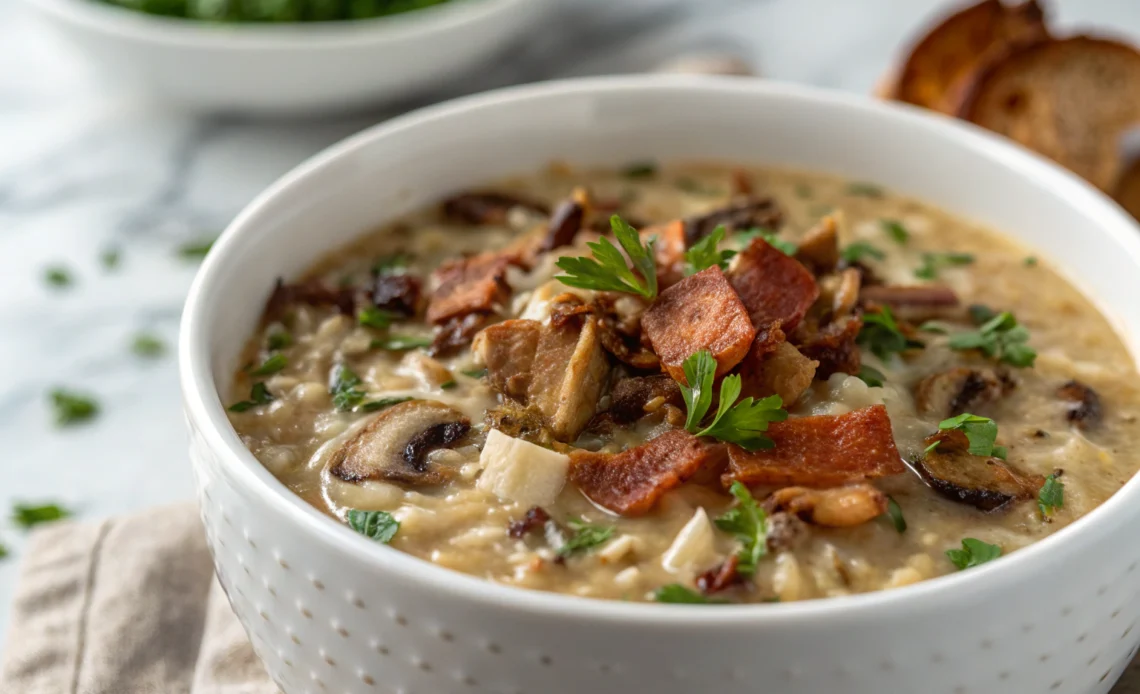
There’s a special kind of warmth that comes from a bowl of soup on a cold winter night, like a hug from old memories or a cozy blanket wrapping around your shoulders. I still remember the first time I tasted wild rice soup, the earthy aroma of the rice mingling with the richness of the broth, and the gentle crunch of toppings like green onions and croutons. It was the kind of dish that made me feel grateful for the simple things in life.
But let’s be real—wild rice soup can be tricky to perfect. Did you know it’s not just any rice? It’s a nutrient-packed grain that demands patience and technique, or else it could turn into a mushy mess that lacks flavor. What if you don’t know how to cook it properly? Or worse, you add it to soup and end up with a bland, underwhelming result? That’s why today, we’re sharing our wild rice soup recipe, a comforting and hearty dish that’s perfect for chilly evenings.
Now, let’s tackle the questions that often linger in your mind: What seasoning is in wild rice soup? Can I add uncooked wild rice to soup? And, is wild rice soup good for you? The answers are simpler than you think—and the results will surprise you.
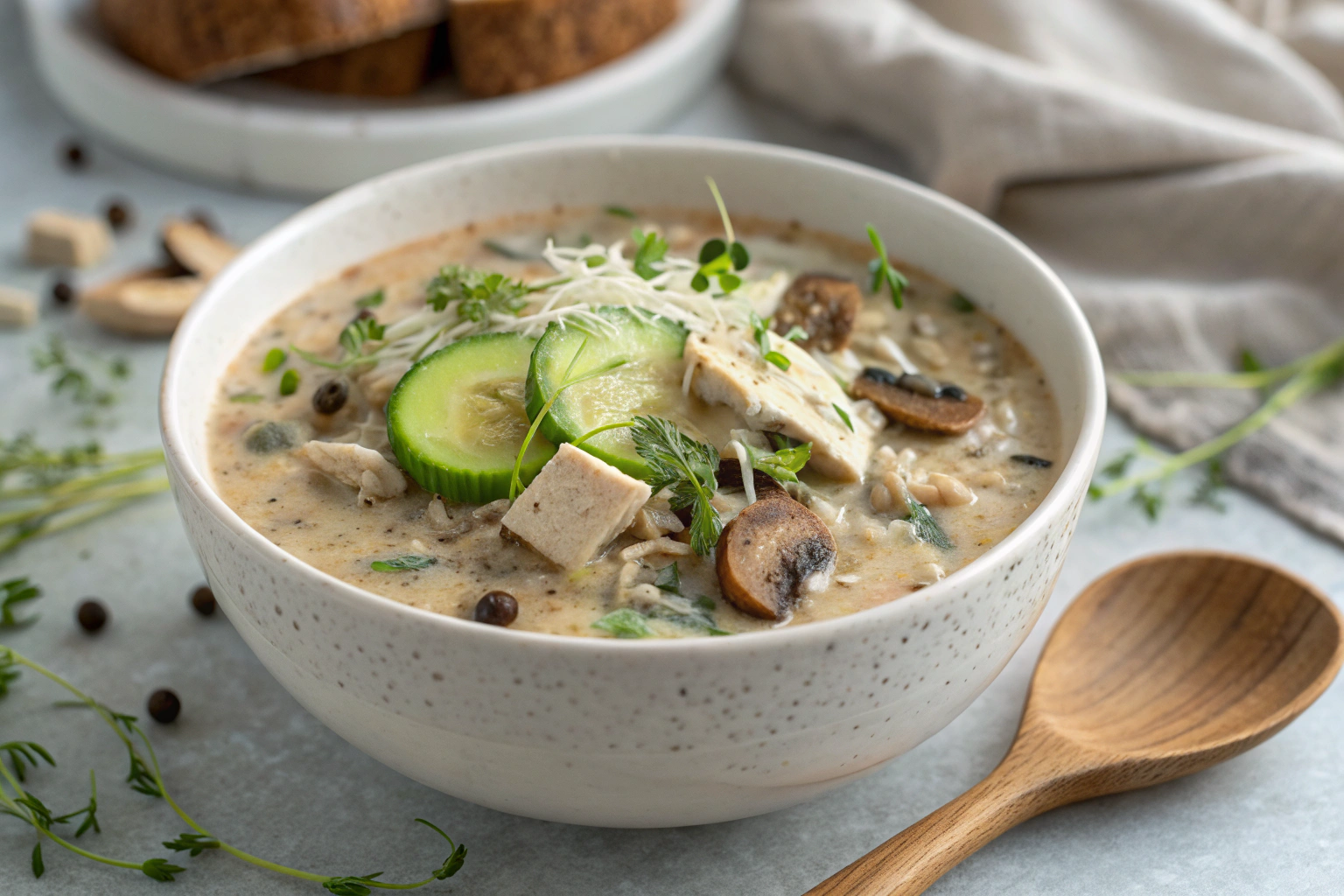
So, what’s the secret to wild rice soup that makes it so special? It’s not just about the rice itself, but how it dances with the other ingredients. Imagine the first bite: a creamy embrace, a burst of savory herbs, and the subtle crunch of veggies. That’s the magic we’re after. But to achieve it, we need to understand the basics of wild rice and how to handle its unique properties. Whether you’re new to the kitchen or a seasoned chef, this guide will help you master the art of wild rice soup. Let’s dive in and make that perfect bowl together.
Wild rice soup has a rich history, especially among the Ojibwe people, who’ve long revered it as a staple. But even today, many struggle with its preparation. Do you know how to cook it without it turning to mush? Or how to balance its earthy taste with the right seasonings? If you’ve ever wondered if wild rice needs to be pre-cooked before adding to soup, you’re not alone. This post answers those questions, demystifies the process, and gives you a wild rice soup recipe that’s easy to follow, healthy, and full of flavor. Let’s turn your kitchen into a place of comfort and discovery.
Table of Contents
Understanding Wild Rice
Wild rice, often mistaken for a regular grain, is actually a type of aquatic grass that grows in shallow waters. It’s not just a chef’s fancy—it’s a cultural treasure, especially for the Ojibwe, who’ve harvested this grain for generations. Unlike the polished white rice you might find in your pantry, wild rice has a nutty, slightly smoky flavor that’s both unique and comforting. Its chewy texture and robust taste make it a star ingredient in many traditional dishes, including the wild rice soup recipe we’re diving into today. But what makes it different from other rice types? Let’s break it down.
Wild Rice vs. Regular Rice: A Nutritional Comparison
Wild rice is often labeled as a “superfood,” and for good reason. It’s packed with protein, fiber, and essential minerals that keep you full and energized. Here’s a breakdown of how it stacks up against other grains:
| Rice Type | Calories per 100g | Protein (g) | Fiber (g) | Iron (mg) | Antioxidants |
|---|---|---|---|---|---|
| Wild Rice | 120 | 5.5 | 3.1 | 3.1 | High |
| Brown Rice | 111 | 3.5 | 3.5 | 1.6 | Medium |
| White Rice | 130 | 3.1 | 0.6 | 0.5 | Low |
As you can see, wild rice is a healthier choice, offering more protein and fiber while delivering a unique flavor profile. But how do you ensure it shines in your soup? Let’s explore the secrets of its preparation.
The Base of the Soup: Stock and Aromatics
A great soup starts with a strong foundation, and the base of wild rice soup is no exception. The stock you choose sets the tone for the entire dish, acting like the unsung hero of the recipe. Whether you go for the classic chicken stock, a plant-based vegetable version, or a hearty beef base, the key is to let it simmer until it’s rich and fragrant. But don’t forget the aromatics—they’re the spices of life, adding depth and soul to your soup. Onions, carrots, celery, and garlic are the holy trinity of flavor, but they work best when prepared thoughtfully. Let’s dive into how to make the perfect base.
If You’re Using Chicken Stock
Chicken stock is the go-to choice for many wild rice soup lovers, offering a savory backbone that complements the grain’s earthy notes. But even then, the texture and flavor depend on how you handle the aromatics. Here’s a quick checklist:
- Onions provide natural sweetness and a base for umami—slice them thinly and sauté until translucent.
- Carrots add vibrancy and a subtle sweetness that pairs well with the rice’s nuttiness. Dice them and cook until tender.
- Celery brings a fresh, crisp quality to the soup, essential for balancing the richness of chicken stock.
- Garlic is the magical spark of flavor. Mince it finely and cook slowly to mellow its bite without overpowering the other ingredients.
These ingredients aren’t just for show; they’re the foundation that ties everything together. Think of them as the whispers of the forest, grounding the soup in authenticity and warmth.
Building Flavors: Protein and Mushrooms
Now that the base is set, it’s time to amp up the flavors. Protein is the glue that holds the soup together, and mushrooms add a umami punch that enhances every bite. Let’s talk about the best ways to incorporate these elements into your wild rice soup recipe.
For protein, you have a few options. Chicken is the most popular, but if you’re leaning towards a lighter option, turkey or tofu can work wonders. The Ojibwe often use chicken in their traditional recipes, which ties into the Chicken wild rice soup variation we’ll explore later. Mushrooms, on the other hand, bring a depth of flavor that’s both earthy and satisfying. Whether you choose Crooked Lake (those little gems from northern Minnesota) or sturdy cremini mushrooms, they add a creamy texture that complements the wild rice. But how do you pick the right mushroom for your soup? Let’s get into it.
Mushroom Types for Wild Rice Soup
Mushrooms aren’t just a garnish—they’re the flavor architects of your soup. Here’s a breakdown of the most common varieties and their impact:
| Mushroom Type | Flavor Profile | Texture | Best for |
|---|---|---|---|
| Crooked Lake | Delicate, slightly sweet | Soft and chewy | Light, fresh soups |
| Cremini | Earthy, savory | Meaty, firm | Hearty, robust soups |
| White Button | Neutral, mild | Soft and spongy | Customizable base for any flavor |
While Crooked Lake mushrooms are a nod to Ojibwe traditions, cremini mushrooms bring a richness that’s perfect for a creamy version. White button mushrooms are a safe bet if you want a versatile base. But here’s a question: Do you need to cook them separately or can they be added directly to the soup? The answer might surprise you—let’s find out.
The Secret to Creaminess
Who doesn’t love a creamy, velvety soup? The creamy wild rice soup recipe is a game-changer, turning a simple dish into a luxurious experience. But how do you achieve that perfect creaminess without overdoing it? The key lies in the choice of liquid and thickening agents. Here’s how to make it right.
Oftentimes, people turn to heavy cream or butter to add richness, but there are healthier alternatives. Evaporated milk is a common choice, offering a lighter touch that still delivers that creamy texture. For those avoiding dairy, coconut milk is a great option—especially if you’re making a creamy chicken and wild rice soup that’s both creamy and plant-based. But wait—should you use flour, cornstarch, or a roux to thicken the soup? Let’s compare the options.
Thickening Agents: Which One Fits Your Soup?
Thickening your soup can make or break the experience. Here’s a comparison of the most popular methods:
| Thickener | Pros | Cons |
|---|---|---|
| Flour | Easy to use; neutral flavor | Can make the soup cloudy if not cooked properly |
| Cornstarch | Smooth, clear texture; high thickening power | Requires more careful handling to avoid lumps |
| Roux | Adds depth and richness; smooth consistency | Takes longer to prepare; may alter the flavor profile |
When choosing a thickener, think about your desired outcome. Flour is great for a rustic, hearty feel, while cornstarch and roux are better for a silky texture. But here’s a tip: A small amount of flour can make the soup taste like it’s made with none, if you cook it thoroughly. Let’s see how you can balance all these elements in the wild rice soup recipe.
The Main Event: Wild Rice
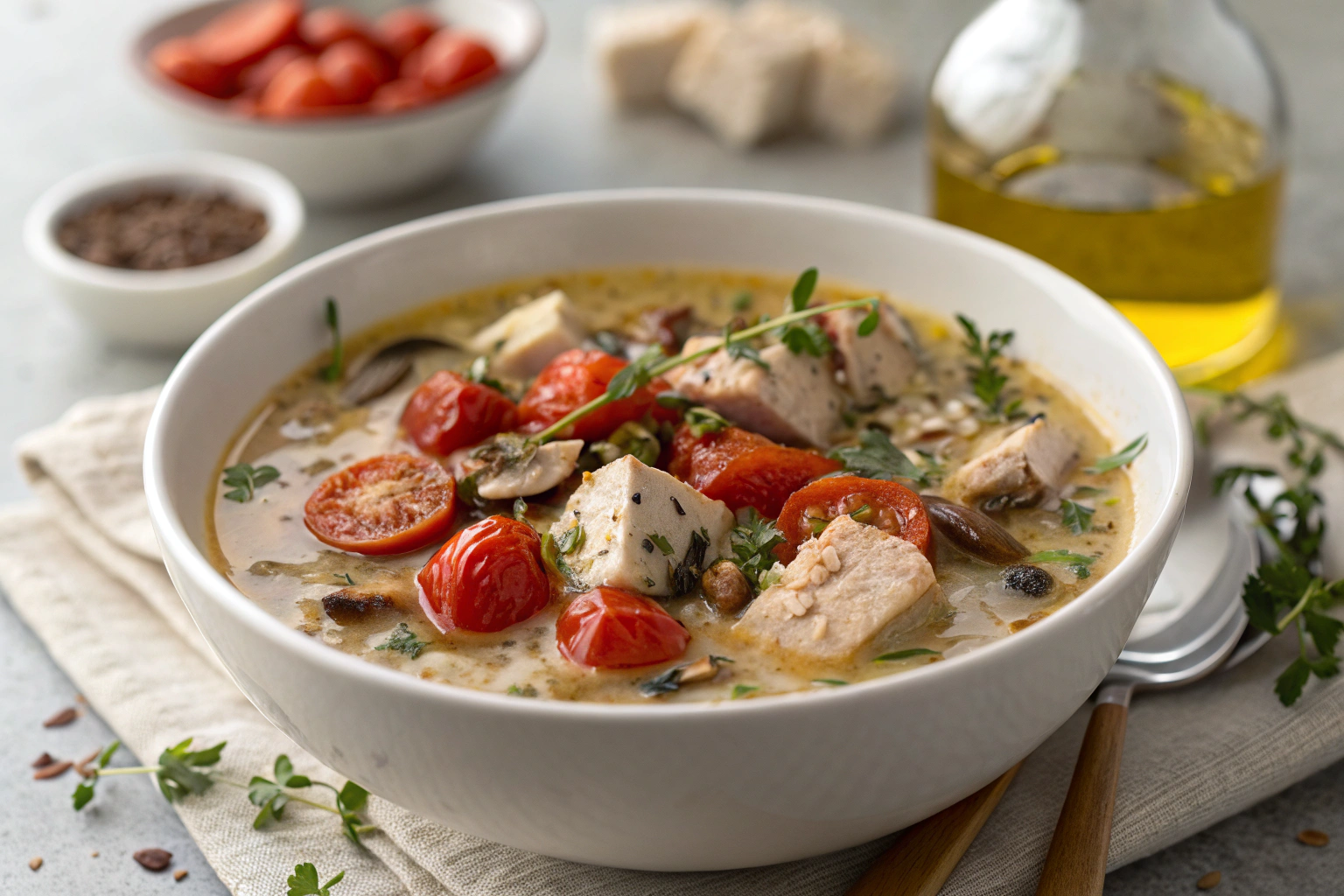
Now, the real star of the show—wild rice. It’s not just a grain; it’s a delicacy with a story. But let’s be honest: Cooking wild rice can be a bit of a love-hate relationship. It requires patience, and if you rush it, you might end up with rice that’s undercooked or overcooked. The good news? With the right technique, it becomes the backbone of your soup. Let’s walk through the steps to cook it perfectly.
Wild rice has a unique shape and texture that sets it apart from regular rice. It’s not a typical grain—it’s more like a botanically distinct seed that needs slow, gentle cooking. To avoid the dreaded “mushy” result, you need to understand how it behaves in a soup. Here’s how to handle it like a pro:
- Rinse the rice thoroughly before adding it to the soup to remove any debris or excess starch. This step ensures a cleaner, more flavorful result.
- If you’re using the wild rice soup recipe from scratch, start by cooking the rice separately for 45–55 minutes. Then, add it to the soup base. Doing it this way helps maintain its firm texture, even in a creamy broth.
- For a no-cook version, add the uncooked rice directly to the soup but monitor it closely. It will take longer to cook—but the payoff is worth it. Let’s tackle this step in detail.
By cooking wild rice properly, you’re not just creating a soup; you’re honoring its heritage and ensuring every bite delivers that perfect crunch. But how do you know when it’s done? Let’s answer that.
Wild Rice Soup Recipe Tips
Wild rice may be tricky, but with the right approach, it becomes a highlight of your soup. Here are some tips to ensure success:
- Rinse the rice before adding it to the soup. This removes any impurities and helps the grains stay firm.
- If you’re using the wild rice soup recipe without pre-cooking, add a splash of water and a lid. Let it simmer gently until the grains are tender but still have a bite.
- Don’t skip the Chicken wild rice soup step of adding protein. It’s what makes the soup feel hearty and satisfying.
One common mistake is overcooking the rice, leading to that gloppy texture no one wants. The key is to track the cooking time and adjust as needed. Let’s take a moment to reflect: Have you ever had wild rice soup that didn’t hit the mark? I know I’ve had my share of tries. But with these tips, you’ll be on your way to a masterpiece.
Variations and Twists
If you’ve mastered the basics, it’s time to play with flavors. The wild rice soup recipe can be adapted in countless ways to suit your taste. Whether you’re craving something spicy, creamy, or a bit of a twist, there’s a version for you. Let’s explore some of the most popular variations.
The Ojibwe wild rice soup recipe is a must-try. It’s a traditional dish that celebrates the grain’s rich history and ties in ingredients like onions, celery, and thyme for a comforting blend. But if you want to elevate the flavor, consider a white chicken chili twist. It’s just a matter of adding chili powder, cumin, and a splash of lime to give it a zesty kick. Another favorite? A tortellini soup variation that adds a touch of pasta to the mix. It’s a great way to personalize the dish. Let’s dive into these twists.
Popular Variations of Wild Rice Soup
Each variation of the wild rice soup recipe offers a different experience, from the creamy richness of creamy chicken and wild rice soup to the bold flavors of white chicken chili. Here’s a quick comparison:
| Variation | Key Ingredients | Flavor Profile | Best For |
|---|---|---|---|
| Ojibwe Wild Rice Soup | Wild rice, onions, celery, ginger, thyme | Earthy, herbaceous, slightly smoky | Those who love a traditional, comforting flavor |
| Creamy Wild Rice Soup | Coconut milk, evaporated milk, roux | Velvety and indulgent | People looking for a creamy, rich texture |
| Chicken Wild Rice Soup (No Cream) | Chicken, mushroom, frozen spinach, rice | Light, savoury, fresh | Health-conscious or dairy-free eaters |
These variations aren’t just about the recipe—they’re about making the soup your own. Want to try something spicy? Add a pinch of cayenne pepper. Craving something unexpected? Toss in some roasted vegetables for a colorful twist. The possibilities are endless.
Toppings and Serving Suggestions
Now that your wild rice soup recipe is bubbling to perfection, it’s time to think about toppings. A well-crafted soup deserves a little flair, and the right garnish can take it from good to unforgettable. But here’s the thing: Not all toppings are created equal. Let’s explore the best options to complement your dish.
Garnishes like green onions, croutons, and fresh herbs are classic choices for wild rice soup, but there are more modern takes as well. For example, a sprinkle of paprika or a dash of hot sauce can add a fiery kick. If you’re making the Chicken wild rice soup (no cream) version, you might want to avoid dairy-based toppings and opt for something crunchier or more vibrant. Let’s break down the best options:
- Green Onions and Sour Cream: This combo is a staple for many, adding a fresh, creamy element that ties the flavors together. But if you’re avoiding dairy, skip the sour cream or use a vegan substitute instead.
- Croutons: A great addition for texture, especially in the Grandma’s wild rice soup recipe. They’re a rustic touch that makes every spoonful feel like a home-cooked meal.
- Crushed Garlic and Parsley: Simple but effective, especially in the best wild rice soup recipe. It adds a fragrant, herbaceous punch that lingers on the palate.
Remember, the toppings are your chance to show off creativity. Maybe you want to add a bit of heat with some chili flakes or a crunch with toasted sesame seeds. The wild rice soup recipe is a canvas—paint it with your favorite flavors. But if you’re making a lighter version, you can skip heavy additions. Let’s see how that works.
Cooking Methods
It’s time to decide how you want to make your wild rice soup recipe. The stovetop method is the classic way, and it’s perfect for those who love the hands-on process. The Instant Pot or pressure cooker method, on the other hand, offers speed and convenience, especially for busy days. Let’s compare these methods and figure out which one fits your lifestyle.
The stovetop method allows you to control every step, from simmering the stock to adding the rice at the right time. It’s a bit of a journey, but the satisfaction of a perfectly cooked soup is worth every minute. If you’re using the instant pot wild rice soup recipe, you’ll save time while still achieving a rich, flavorful result. Here’s a quick breakdown of both methods:
- Stovetop Method: Ideal for those who enjoy the process, it takes around 45–50 minutes and requires constant attention to the texture of the rice.
- Instant Pot Method: Perfect for when you’re in a hurry, it’s a “set it and forget it” approach that still delivers a hearty, creamy soup. Just add the rice last and let it simmer to unlock its full potential.
Both methods have their pros and cons. If you’re on a tight schedule, the Instant Pot is your best bet. But if you’re up for the challenge, the stovetop method is more rewarding. Let’s get into the details of each to help you choose the right path.
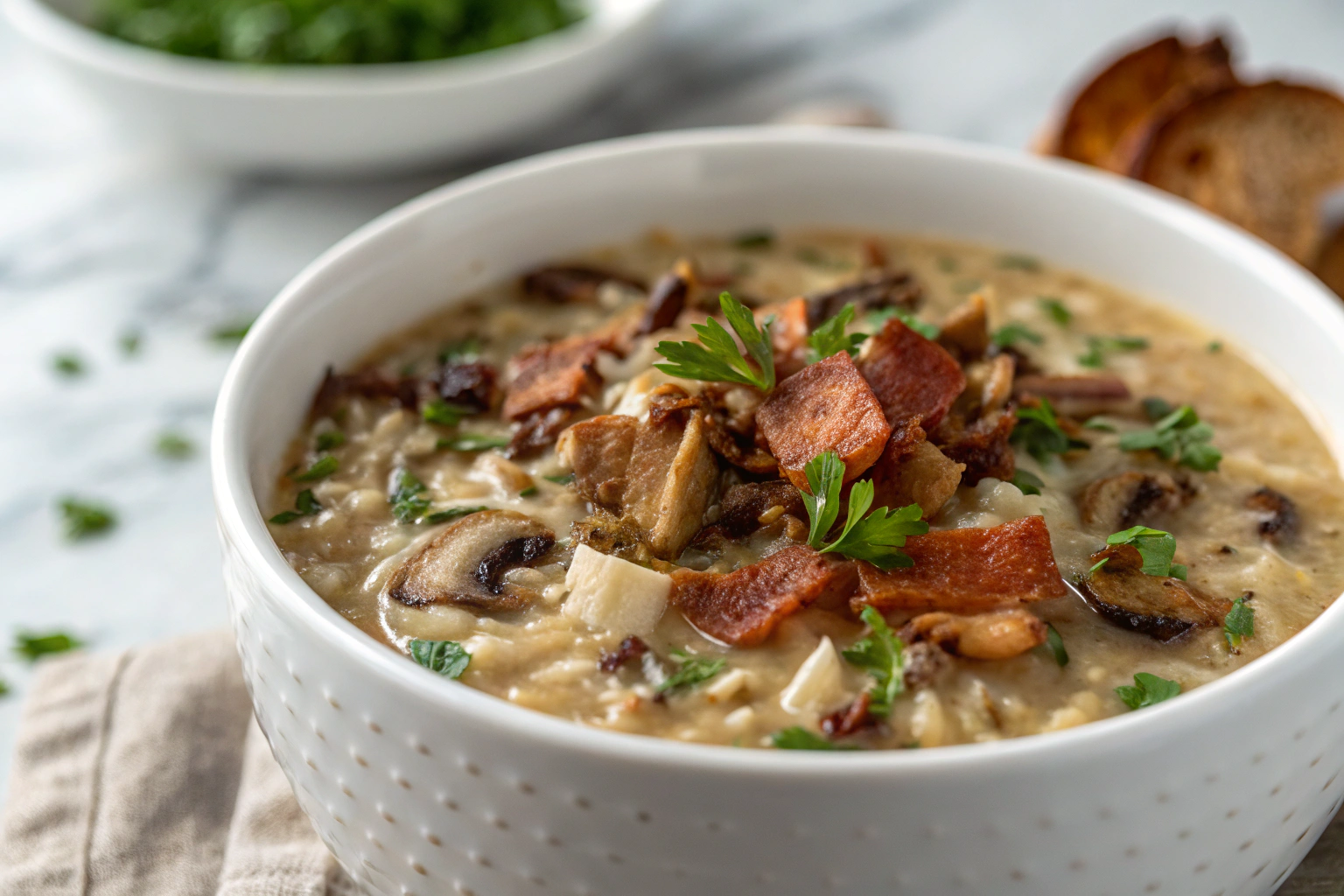
Wild Rice Soup Recipe – A Comprehensive Guide
Ingredients
Equipment
Method
- Melt butter in a large pot over medium heat.
- Add celery, onion, carrots, and garlic. Cook until softened.
- Stir in wild rice, thyme, and vegetable broth. Bring to a boil.
- Reduce heat, cover, and let it simmer for 45-50 minutes or until wild rice is tender.
- Stir in evaporated milk and salt to taste. Heat through and serve.
- Select the Sauté function on your Instant Pot. Melt butter.
- Add celery, onion, carrots, and garlic. Cook until softened.
- Stir in wild rice, thyme, vegetable broth, and water. Secure the lid and set the valve to ‘Sealing’.
- Select the Manual/Pressure Cook function, and set the time for 10 minutes at high pressure.
- Allow the pressure to release naturally for 10 minutes, then carefully turn the valve to ‘Venting’ to release any remaining pressure.
- Stir in evaporated milk and salt to taste. Heat through and serve.
Notes
If you love this, you’ll love…
Nothing beats a warm bowl of soup on a chilly evening, and with so many delicious options available, you’re sure to find your new favorite. For a taste of autumn, try these Fall Soup Recipes, or perhaps a hearty chicken corn chowder.
If you prefer something lighter, consider the quick lemon chicken orzo soup or the garlic soup. From classic choices like classic creamy pumpkin soup and stuffed pepper soup to more adventurous options such as Moroccan spiced carrot lentil soup, smoky ham hock lentil soup, sopa de fideo, or even beef barley soup, there’s something for everyone.
Don’t forget the comforting favorites like comforting chicken tortellini soup, Olive Garden minestrone soup, healthy creamy sweet potato soup, French onion soup, cozy roasted butternut squash soup, healthy broccoli cheddar soup, and chicken chili recipe. More Fall Soup Recipes await!
Conclusion
Wild rice soup is more than just a recipe—it’s a celebration of flavor, history, and comfort. Whether you’re making the wild rice soup recipe from scratch or experimenting with variations like the Ojibwe wild rice soup recipe, the goal is to create a dish that warms your soul and delights your taste buds. We’ve covered the basics of cooking wild rice, the role of stock and seasonings, and even the secrets to creamy perfection without relying on dairy.
From the stovetop method to the Instant Pot shortcut, there’s a way to make this soup that fits your needs. And if you’re like me, you’ll find joy in the small details—like the gentle crunch of a well-seasoned topping or the satisfying al dente texture of the rice. As you try out these ideas, remember to let the soup simmer and develop its full character. Whether you’re a beginner or a seasoned chef, the wild rice soup recipe offers something for everyone.
Now, I’ll leave you with this: Have you ever wondered how to make your soup unforgettable? The answer lies in the balance of ingredients, the right seasonings, and a dash of creativity. So next time you’re faced with a cold evening, don’t hesitate to whip up this nourishing bowl of comfort. And if you want more recipes like this, subscribe to our weekly newsletter for tips and tricks. After all, there’s no better way to keep the kitchen alive than to embrace the journey of discovery and experimentation.
To truly master the wild rice soup recipe, you need to blend tradition with innovation. Think about how the Ojibwe approach their soup versus a modern twist like Chicken wild rice soup (no cream). Each variation tells a story, and every ingredient plays a role. So, are you ready to create your own version? I’d love to hear about your favorite toppings or twists in the comments section. Don’t forget to share this with someone who loves a good bowl of soup. After all, food is more than sustenance—it’s a way to connect, to heal, and to enjoy life’s simple pleasures. Let’s keep cooking, keep learning, and keep making moments that linger in memory long after the last spoonful.

So easy and fresh! Presentation was perfect for a dinner party. Will definitely make again.
Tried this today, loved the nutty wild rice flavor! Added a pinch of smoked paprika for a hint of heat.
I’m not usually a fan of soups, but this one was a game-changer. Hearty and comforting, just right for a cold night.
This soup was a hit with the family. I used chicken broth instead of veggie, still delicious!