

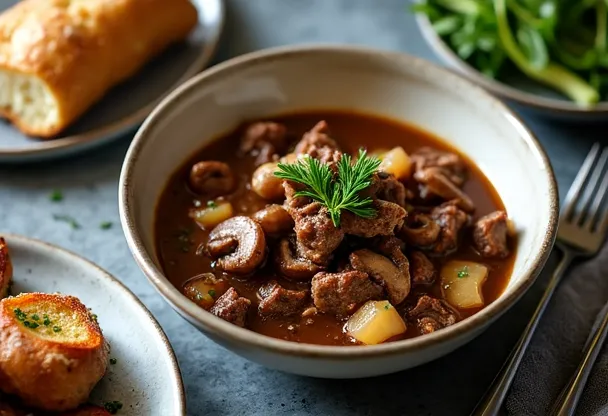
Imagine this: You’re nestled by a fireplace, the aroma of herbs and slow-cooked beef filling the air. That’s the magic of Beef Bourguignon. Can I use beef cheeks for my Beef Bourguignon? What side dishes complement it best? This dish, with its fancy French name, can feel intimidating to even attempt, let alone perfect. It seems like one of those recipes passed down through generations, shrouded in culinary secrecy.
But what if I told you that you could recreate the magic of a Parisian bistro right in your kitchen? This isn’t just about a recipe; it’s about unlocking a world of flavor that’s been enjoyed for centuries. The problem is, many recipes are either too complicated or fail to capture the true essence of this French classic.
This ultimate guide to Beef Bourguignon will demystify the process, providing you with clear steps, expert tips, and answers to all your burning questions, ensuring you create a dish worthy of its celebrated heritage.
Table of Contents
Why You’ll Love This Beef Bourguignon Recipe
This Beef Bourguignon recipe is a game-changer. Trust me; it’s become a staple in our home, and for good reason!
- Simplicity at its Finest: This recipe makes creating a restaurant-quality Beef Bourguignon surprisingly easy, even for beginners. Forget complicated techniques, this one’s a breeze!
- A Flavor Explosion: The slow-cooked beef, infused with rich broth and aromatic herbs, creates a symphony of flavors that will have your taste buds singing. It’s truly unforgettable.
- Versatile for Every Occasion: Whether it’s a casual weeknight dinner or a celebratory feast, this Beef Bourguignon fits the bill. Impress your guests or simply treat yourself – it’s always a hit!
Key Ingredients and Substitutions
Choosing the right ingredients is key for a truly authentic Beef Bourguignon. Here’s what you’ll need:
Beef: The Star of the Show
For a melt-in-your-mouth experience, opt for chuck roast or boneless short ribs. These cuts have the perfect marbling for slow cooking, resulting in incredibly tender beef. I once tried using sirloin, and while it was tasty; it lacked that signature tender texture. What about vegetarian options? Mushrooms, particularly portobellos, can be a hearty substitute for the beef, absorbing the rich flavors of the broth and vegetables.
| Beef Cut | Characteristics |
|---|---|
| Chuck Roast | Well-marbled, affordable, ideal for slow cooking |
| Boneless Short Ribs | Tender, flavorful, slightly more expensive |
| Sirloin | Leaner, cooks faster, not ideal for long simmering |
Vegetables: The Supporting Cast
The classic trio of pearl onions, carrots, and mushrooms provides a delightful sweetness and textural contrast to the rich beef. Feel free to experiment! I love adding a handful of chopped celery for an extra layer of flavor. What about other root vegetables like parsnips or turnips? They add a unique earthiness to the dish.
| Vegetable | Contribution |
|---|---|
| Pearl Onions | Sweetness, visual appeal |
| Carrots | Sweetness, color, texture |
| Mushrooms | Earthy flavor, umami |
Herbs and Spices: The Aromatic Symphony
Thyme, bay leaf, and parsley are the essential herbs for that signature Beef Bourguignon aroma. Adding a pinch of dried rosemary can enhance the earthiness of the dish. One time, I accidentally added a bit too much thyme, and it overpowered the other flavors. So, start small and adjust to your liking.
Table of Ingredients
Here’s a handy list of everything you’ll need:
| Ingredient | Quantity |
|---|---|
| Lardons (omitted) | N/A |
| Shallots | 12 small, peeled and halved (or 1 large onion, sliced) |
| Mushrooms | 7 oz, chopped in half or quarters |
| Stewing Beef | 1 ¾ lb, diced |
| Flour | 2 tablespoons |
| Beef Stock | 2 cups strong |
| Bay Leaves | 3 |
| Salt and Pepper | To taste |
Supplies
Having the right tools makes the cooking process smoother. Here’s what you’ll need:
- Dutch Oven or Heavy-Bottomed Pot: Essential for even cooking and browning.
- Sharp Knife: For precise dicing and chopping.
- Cutting Board: A sturdy surface for safe chopping.
- Measuring Cups and Spoons: For accurate ingredient measurements.
How to Make Beef Bourguignon (Step-by-Step)
Step 1: Preparing the Beef
Pat the beef cubes dry with paper towels. This helps them brown beautifully. Browning the beef is crucial; it creates a rich, flavorful crust that adds depth to the final dish. Don’t overcrowd the pot; work in batches to ensure even browning.
Step 2: Sautéing the Vegetables
Sauté the shallots (or onion) until softened, then add the carrots and mushrooms. Cook until they’re slightly tender and have a touch of caramelization. This adds a sweetness and complexity to the Beef Bourguignon.
Step 3: Creating the Flavor Base
Add beef broth to the pot, scraping up any browned bits from the bottom. These little bits are packed with flavor! Add the bay leaves and bring the mixture to a simmer.
Step 4: Slow Cooking to Perfection
Return the beef to the pot. Cover and simmer gently on the stovetop or in a preheated oven (325°F) for 2-3 hours, or until the beef is fork-tender. The slow cooking process allows the flavors to meld together beautifully.
Step 5: The Finishing Touches
Remove the bay leaves. If you prefer a thicker sauce, you can mix a tablespoon of flour with a little cold water to form a slurry and whisk it into the stew. Simmer for a few more minutes until thickened. Season with salt and pepper to taste.
Expert Tips For The Perfect Beef Bourguignon
Trick for Extra Richness
Adding a tablespoon of tomato paste to the base intensifies the savory depth of the Beef Bourguignon. I’ve also experimented with adding a bit of beef bouillon for a bolder flavor. It’s a subtle addition that elevates the entire dish.
Achieving Melt-in-Your-Mouth Beef
Low and slow is the key! The longer the beef simmers, the more tender it becomes. Test the beef with a fork; it should easily pull apart when it’s perfectly cooked.
Balancing the Flavors
Taste and adjust the seasoning towards the end. A balance of salt, pepper, and a touch of acidity is what you’re aiming for. A squeeze of lemon juice can brighten the flavors if needed.
Variations and Customizations
Beef Bourguignon with a Twist
Explore different mushroom varieties like cremini or shiitake for a unique twist. Adding root vegetables like parsnips or turnips adds an earthy dimension to the dish. What about a splash of balsamic vinegar for a tangy kick?
Dietary Adaptations
For a gluten-free version, use gluten-free flour to thicken the sauce. You can also adjust the vegetables to fit specific dietary needs. For example, if you’re avoiding nightshades, omit the tomatoes and add more carrots or other root vegetables.
Storage and Reheating Instructions
Store leftover Beef Bourguignon in an airtight container in the refrigerator for up to 3 days or freeze for up to 3 months. Reheat gently on the stovetop or in the oven, ensuring it’s heated through completely.
Serving Suggestions
Beef Bourguignon is traditionally served with crusty bread, mashed potatoes, or egg noodles. But why stop there? Polenta, roasted root vegetables, or a simple green salad are all delicious accompaniments. I once served it over creamy mashed cauliflower, and it was a hit!
The Perfect Beef Bourguignon Recipe
Ingredients
Equipment
Method
- Pat the beef cubes dry with paper towels. Brown the beef in batches in the Dutch oven until a rich, flavorful crust forms, ensuring not to overcrowd the pot.
- Sauté the shallots (or onion) in the same pot until softened, then add mushrooms. Cook until slightly tender and caramelized.
- Add the beef broth to the pot, scraping up any browned bits from the bottom to create a rich flavor base. Add the bay leaves and bring the mixture to a simmer.
- Return the browned beef to the pot. Cover and simmer gently on the stovetop or in a preheated oven (325°F / 160°C) for 2-3 hours, or until the beef is fork-tender.
- Remove the bay leaves. If a thicker sauce is desired, mix a tablespoon of plain flour with a little cold water to form a slurry, then whisk it into the stew. Simmer for a few more minutes until thickened. Season with salt and pepper to taste.
Notes
Frequently Asked Questions (FAQs)
Here are answers to some common questions about Beef Bourguignon :
Can I make Beef Bourguignon ahead of time?
Absolutely! In fact, the flavors often deepen when made a day or two in advance. Simply reheat gently before serving.
Can I use beef cheeks for my Beef Bourguignon?
Yes, beef cheeks work beautifully in this dish due to their high collagen content, resulting in a rich, melt-in-your-mouth texture after slow cooking.
What side dishes complement Beef Bourguignon best?
Classic pairings include crusty bread, mashed potatoes, or egg noodles. For a twist, try polenta, roasted root vegetables, or a simple green salad.
How do I know when the beef is perfectly tender?
The beef should easily pull apart with a fork when it’s reached the desired tenderness.
Can I make a vegetarian version of Beef Bourguignon?
Yes, mushrooms, especially portobellos, can be a hearty substitute for the beef, absorbing the rich flavors of the broth and vegetables.
How do I store leftover Beef Bourguignon?
Store it in an airtight container in the refrigerator for up to 3 days or freeze for up to 3 months.
What’s the best way to reheat Beef Bourguignon?
Reheat gently on the stovetop or in the oven, ensuring it’s heated through completely.
Can I add other vegetables to my Beef Bourguignon?
Feel free to experiment! Celery, parsnips, and turnips are all delicious additions.
What if I add too much thyme?
If you’ve added too much thyme and the flavor is overpowering, try adding a bit more beef broth or a splash of balsamic vinegar to balance it out.
The magic of Beef Bourguignon, demystified!
It’s about patience, about building layers of flavor, and about transforming humble ingredients into something truly extraordinary. Imagine the aroma filling your kitchen, the anticipation building with every simmer… that’s the power of this dish.
Ready to create your own Beef Bourguignon masterpiece? Don’t forget to share your culinary triumph with us – we love seeing your creations! And if you’re hungry for more culinary adventures, subscribe to our newsletter. What are you waiting for? Let’s get cooking!