

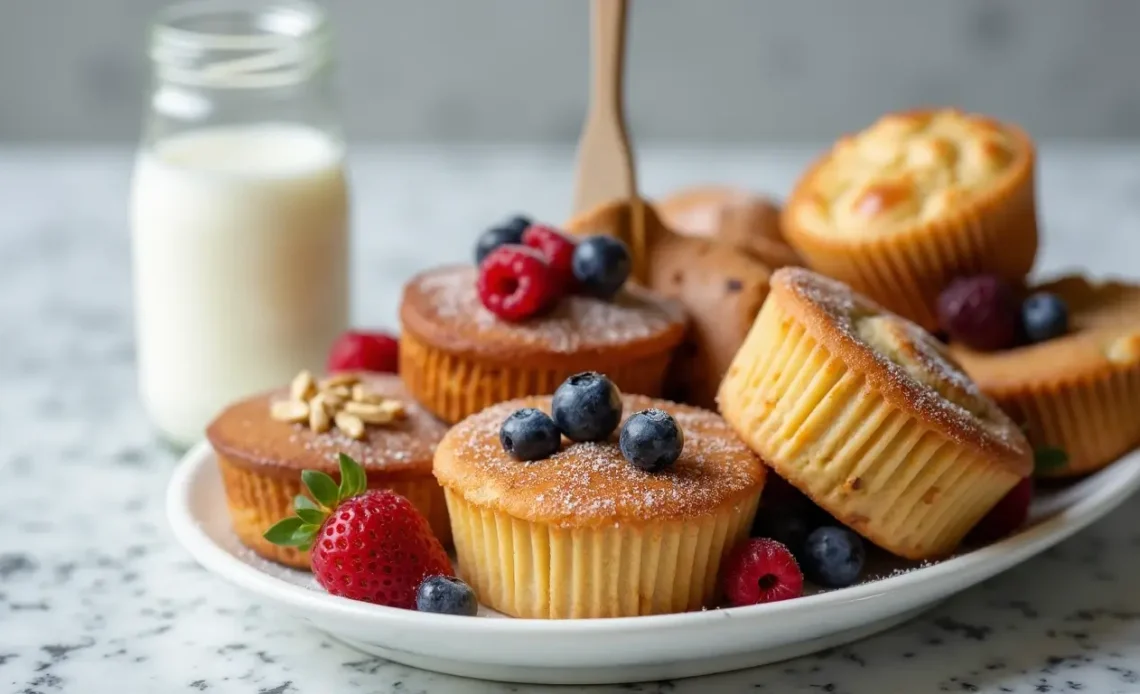
Remember that time I brought a “homemade kefir sheet cake” to a potluck? People couldn’t stop raving about how amazingly fluffy and moist it was. What they didn’t know? This magic ingredient wasn’t some closely guarded secret, but something you can easily whip up at home, kefir!
But what exactly is kefir, and how can you use it to transform your baking? Hold onto your whisks, folks, because we’re about to unlock the secret to bakery-level treats from the comfort of your own kitchen.
The problem is, most of us are stuck using the same old ingredients, resigned to dry, dense cakes that taste… well, just okay. But it doesn’t have to be that way! Imagine surprising your friends and family with baked goods so incredibly soft and airy, they practically melt in your mouth.
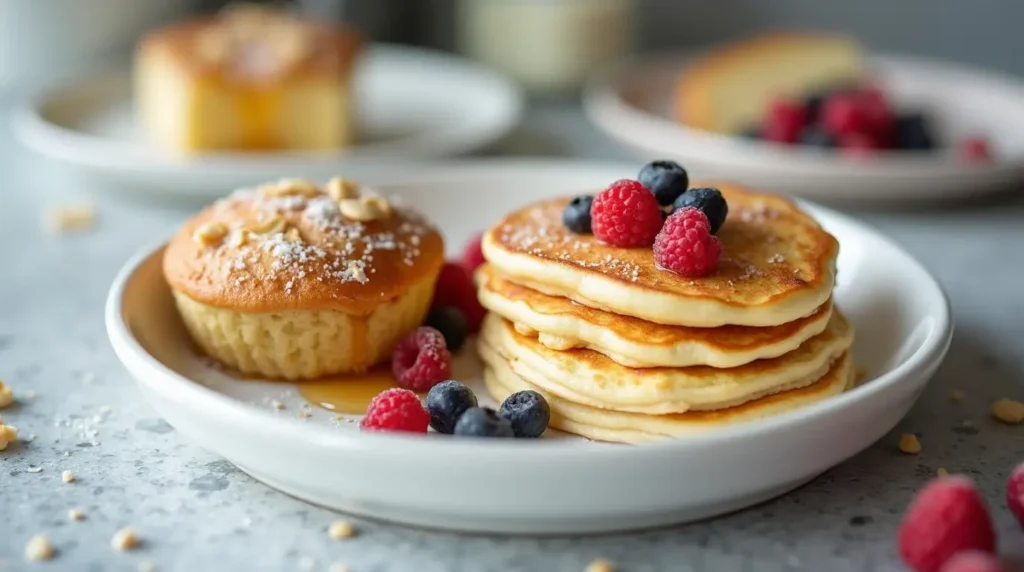
That’s where the magic of kefir for baking comes in. In this post, we’ll explore the simple but rewarding process of making kefir from scratch and discover how this fermented wonder can elevate your baking to delicious new heights. Get ready to say goodbye to baking mediocrity, a world of fluffy, flavorful possibilities awaits!
Table of Contents
Why You’ll Love Kefir for Baking
Before we dive into the how-to, let’s talk about why kefir deserves a prime spot in your pantry. Trust me, once you experience the difference it makes in your baking, you’ll wonder how you ever lived without it. Here’s the lowdown:
- Unmatched Moisture: Kefir brings a beautiful moistness to cakes, muffins, and quick breads, thanks to its naturally occurring lactic acid. Say goodbye to crumbly disappointments!
- Tangy Twist: Kefir’s subtle tang adds a layer of complexity to your baked goods, balancing out sweetness and creating a more interesting flavor profile. Think of it as buttermilk’s cooler, slightly effervescent cousin.
- Fluffy Factor: The fermentation process creates tiny bubbles that act as natural leavening agents, resulting in lighter, airier textures. Your cakes will reach new heights – literally!
- Gut-Healthy Goodness: Kefir is a probiotic powerhouse, meaning it’s teeming with beneficial bacteria that promote a healthy gut. Who knew baking could be so good for you?
- Surprisingly Simple: Making kefir at home is much easier than you might think. With just a few simple steps, you can have a steady supply of this versatile ingredient ready for all your baking adventures.
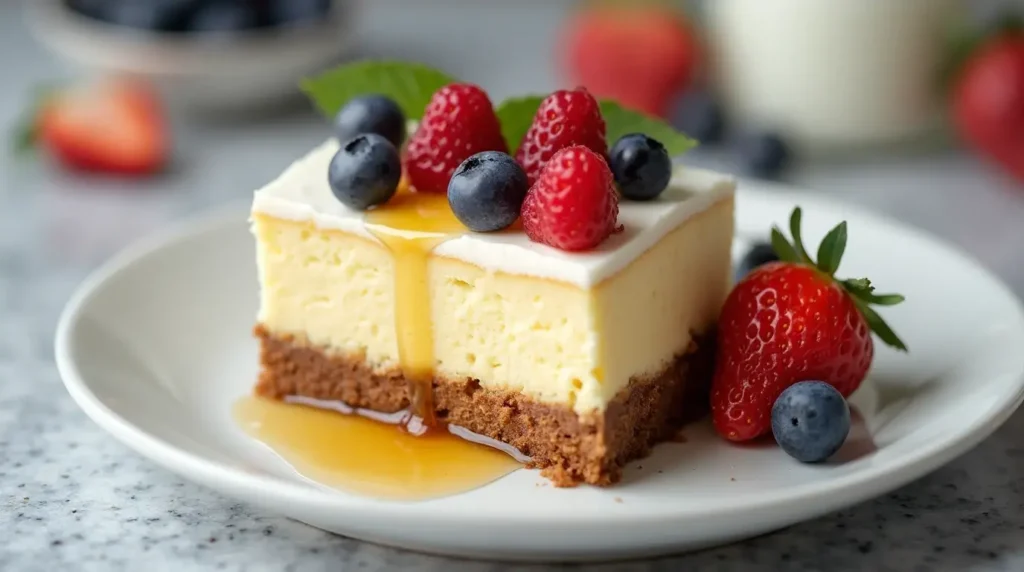
Who It’s Perfect For
This isn’t just for seasoned bakers! Kefir for baking is a game-changer for:
- Health-conscious individuals: Those seeking gut-friendly options will love the probiotic benefits of kefir.
- Baking enthusiasts: Anyone who enjoys experimenting in the kitchen and taking their baking to the next level.
- People looking for dairy alternatives: Kefir can often be made with plant-based milk, making it a great option for those with dietary restrictions.

Kefir for Baking: The Probiotic Twist
Ingredients
Equipment
Method
- Sanitize your jar to ensure no unwanted bacteria interfere with the fermentation process.
- Gently add your kefir grains to the jar.
- Pour in your chosen milk, leaving about an inch of space at the top.
- Cover the jar loosely with a lid or cheesecloth and let it sit at room temperature (around 68-77°F) for 12-24 hours.
- You’ll know your kefir is ready when it thickens slightly and has a pleasantly tangy aroma. You might also see some separation or bubbles – that’s a good sign!
- Once fermented, gently strain the kefir through your non-metal strainer lined with cheesecloth or a coffee filter.
- Store your freshly made kefir in a sealed jar in the refrigerator for up to 2 weeks.
Notes
Crafting Your Own Kefir : A Step-by-Step Guide
Intrigued? Let’s roll up our sleeves and get our kefir on! Don’t worry; it’s easier than you think. I’ll guide you through each step, sharing my tried-and-true tips for guaranteed success.
Key Ingredients and Substitutions:
First things first, let’s gather our ingredients. You’ll be surprised how few you actually need!
| Ingredient | Substitutions |
|---|---|
| Kefir Grains | None (but you can find them online or at health stores) |
| Milk (2 Cups) | Cow’s milk, goat’s milk, plant-based milk |
Preparation Tips for Ingredients:
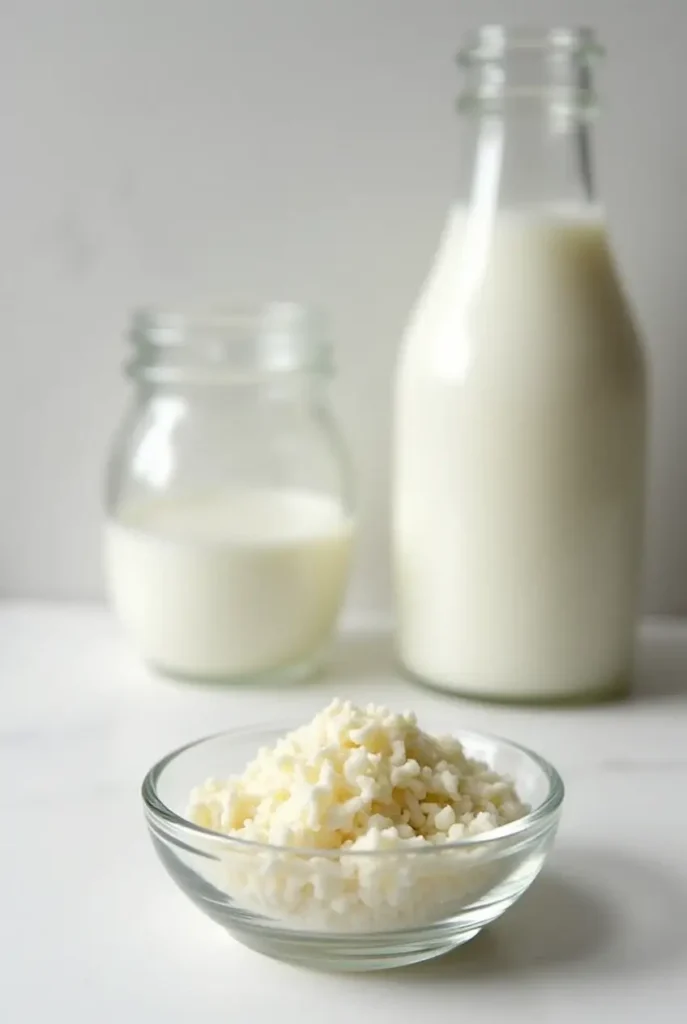
- Choosing Your Kefir Grains: Look for “milk kefir grains,” which are different from “water kefir grains.” You can find them online or at health food stores. They look like little, cauliflower-like clusters, and trust me, they’re about to become your new best friend!
- Milk Matters: While cow’s milk is the most common choice, you can experiment with goat’s milk or even plant-based options like almond or soy milk (make sure they’re unsweetened). Just keep in mind that the flavor and texture of your kefir will vary slightly depending on the type of milk you use.
Supplies:
- Glass Jar: A quart-sized jar works perfectly.
- Non-Metal Strainer: Metal can react with the kefir grains.
- Cheesecloth/Coffee Filter: For straining.
Step 1: Combining Milk and Kefir Grains:
- Sanitize your jar to ensure no unwanted bacteria interfere with the fermentation process.
- Gently add your kefir grains to the jar.
- Pour in your chosen milk, leaving about an inch of space at the top.
Step 2: The First Ferment – Patience is Key:
- Cover the jar loosely with a lid or cheesecloth and let it sit at room temperature (around 68-77°F) for 12-24 hours.
- You’ll know your kefir is ready when it thickens slightly and has a pleasantly tangy aroma. You might also see some separation or bubbles – that’s a good sign!
Step 3: Straining and Storing Your Kefir:
- Once fermented, gently strain the kefir through your non-metal strainer lined with cheesecloth or a coffee filter.
- Store your freshly made kefir in a sealed jar in the refrigerator for up to 2 weeks.
Baking with Kefir: Tips and Tricks for Success
Now for the fun part – baking with your homemade kefir! Here’s how to incorporate this magic ingredient into your favorite recipes:
Tricks to Enhance Flavor and Texture:
- Buttermilk Substitute: Kefir makes an excellent 1:1 substitute for buttermilk in most recipes.
- Pancakes and Waffles: Add a splash to your batter for fluffy, flavorful results.
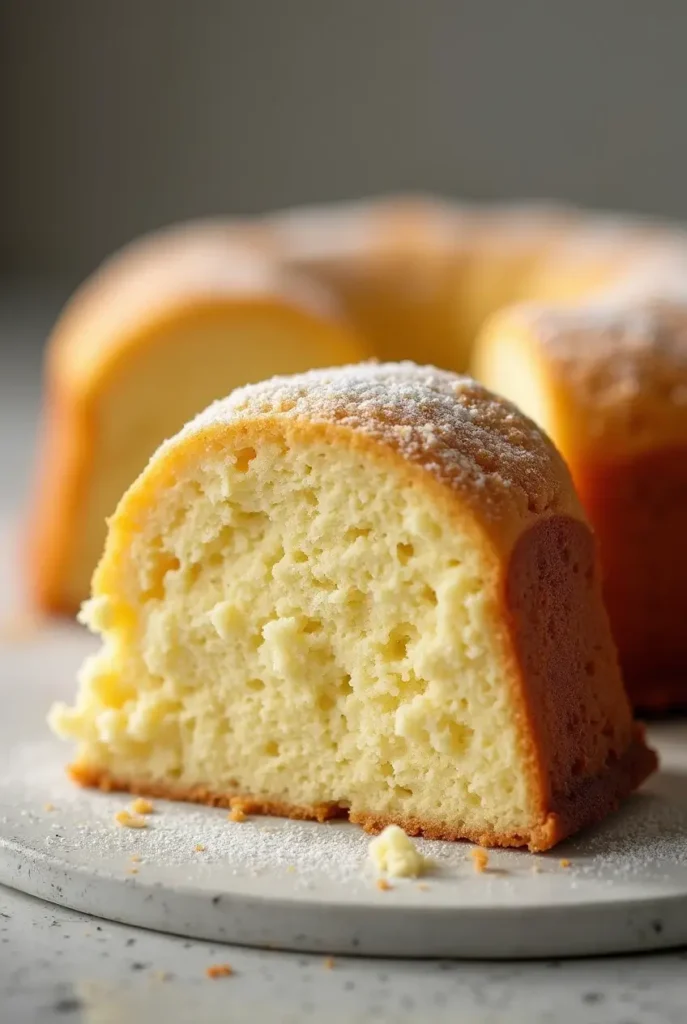
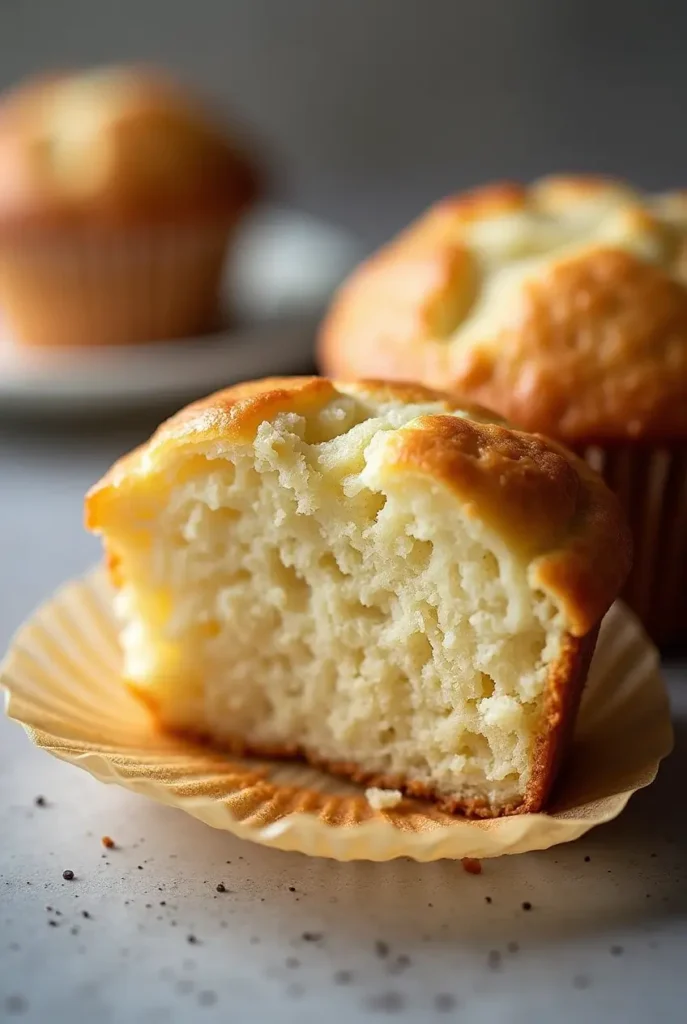
- Cakes and Muffins: Kefir creates incredibly moist and tender crumbs.
- Quick Breads: From banana bread to zucchini bread, kefir adds a delightful tang and soft texture.
Common Pitfalls to Avoid:
- Over-Fermenting: If your kefir becomes overly tangy or separates significantly, it’s a sign it’s over-fermented. Taste-test as you go, and don’t be afraid to strain it sooner if needed.
- Reactive Metal Utensils: Avoid using metal utensils or containers when handling kefir grains, as they can react with the metal and affect the fermentation process.
Beyond the Basics : Variations and Customizations
Ready to take your kefir creations to the next level? Let’s get creative!
A World of Flavor:
- Fruit Infusion: Add a handful of berries, chopped peaches, or a squeeze of citrus to your kefir before baking for a burst of flavor.
- Herbal Infusions: Infuse your kefir with herbs like rosemary, thyme, or lavender for a unique twist on savory baked goods.
- Spice It Up: A pinch of cinnamon, nutmeg, or cardamom can add warmth and depth to your kefir creations.
Dietary Adaptations:
- Vegan Kefir: Use plant-based milk to make vegan kefir. Experiment with different types to find your favorite flavor profile.
- Gluten-Free Baking: Kefir works beautifully in gluten-free recipes, adding moisture and binding ingredients together.
Storing and Enjoying Your Kefir Creations
You’ve baked up a storm – now let’s ensure your kefir creations stay fresh and delicious!
Storage and Reheating Instructions:
- Room Temperature: Most kefir-based baked goods can be stored at room temperature in an airtight container for 1-2 days.
- Refrigerator: For longer storage, refrigerate your treats for up to 5 days.
- Reheating: To revive that fresh-baked goodness, reheat individual portions in a preheated oven at 350°F for 5-10 minutes, or until warmed through.
Serving Suggestions:
- Fresh Fruit: Top cakes and muffins with fresh berries, sliced peaches, or a dollop of whipped cream for a delightful treat.
- Brunch Spread: Kefir-based quick breads and muffins make a fantastic addition to any brunch table.
- Sweet Treat: Enjoy a slice of kefir cake with a cup of coffee or tea for a comforting afternoon pick-me-up.
FAQs About Homemade Kefir
Let’s tackle some common questions about kefir and its culinary superpowers:
What Does Kefir Taste Like?
Kefir has a refreshingly tart, slightly tangy flavor, often described as a cross between buttermilk and yogurt. The taste can vary depending on the type of milk used and the fermentation time.
Where Can I Find Kefir Grains?
You can purchase kefir grains online or at health food stores. Look for “milk kefir grains” as opposed to “water kefir grains.”
Can I Use Plant-Based Milk to Make Kefir?
Yes, you can use plant-based milk options like almond milk, soy milk, or coconut milk to make kefir. Keep in mind that the flavor and texture may differ slightly from dairy-based kefir.
How Do I Know if My Kefir Is Ready?
Your kefir is ready when it thickens slightly and has a pleasantly tangy aroma. You might also notice some separation or bubbles – all good signs!
What Should I Do With the Kefir Grains After Straining?
Don’t throw them away! Simply add them to a fresh batch of milk to start the fermentation process again. With proper care, kefir grains can last indefinitely.
Can I Use Kefir in Savory Recipes?
Absolutely! Kefir can be used in savory dishes like pancakes, waffles, and even salad dressings to add a tangy twist.
How Long Does Homemade Kefir Last?
Stored properly in an airtight container in the refrigerator, homemade kefir can last for up to 2 weeks.
More Delicious Discoveries: Related Recipes
Hungry for more kefir inspiration? Check out these tempting recipes:
- Lemon Kefir Cake with Blueberry Glaze
- Cinnamon Swirl Kefir Bread
- Strawberry Kefir Smoothie
Conclusion
So, there you have it! Baking with homemade kefir isn’t just a trend; it’s a gateway to lighter, tastier treats straight from your oven. With its simple preparation, gut-healthy benefits, and ability to transform ordinary recipes into extraordinary ones, kefir is an ingredient you’ll want to keep in your culinary arsenal.
Give it a try, and prepare to be amazed by the fluffy, flavorful results. Happy baking!